What are the signs of a pest infestation
The most common signs of a pest infestation are droppings, noises, odours, gnaw marks, nests, damaged food packaging and visible insects. Early indicators include small dark droppings, scratching in walls or lofts, grease marks, shed skins, tiny blood spots, insect casings and unexplained bites. If any of these signs appear, the infestation is likely active and should be assessed professionally.
A practical guide for Kent homes based on real technician experience
Most pest infestations do not start with a sighting. By the time a homeowner sees a rodent, cockroach or cluster of insects, the infestation has usually been active for some time. Pests leave subtle clues first. These clues appear in lofts, kitchens, behind appliances, around skirting boards, under floorboards and in hidden areas that are easy to miss. After more than fifteen years of inspecting properties across Kent, our technicians see the same core signs again and again. These signs apply to almost every pest, including rats, mice, bed bugs, cockroaches, ants, fleas, moths, flies and stored-product insects.
This guide breaks down the clearest signs of pest infestation, explains why they appear and shows where to look for them. It also helps you understand when the problem is new, when it is established and when you should arrange professional treatment. These indicators are based on real cases across Ashford, Maidstone, Canterbury, Medway, Thanet and Folkestone.
If you recognise any of the signs below, you may already have an active infestation in your home.
Pest Investation Sign one
Droppings and waste marks
Droppings are the most reliable early sign of an infestation. Almost every household pest leaves waste in the areas they travel most.
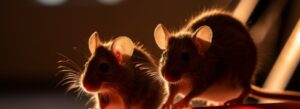
Rodent droppings Rats and mice leave small dark droppings along run routes. Rat droppings are larger and pointed at both ends. Mouse droppings are smaller, similar to grains of rice. You may also see urine staining, particularly in lofts or under kitchen units.
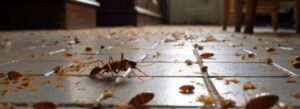
Cockroach droppings Cockroach waste resembles black pepper or coffee grounds. It is often found behind fridges, under sinks, around boilers or inside cupboards.
Flea droppings Tiny black specks that smear red when crushed due to digested blood.
Bird droppings Found on loft insulation, rafters or window ledges. Often combined with nesting material.
Bed bug faecal spots Small dark stains on mattress seams, headboards, curtains or skirting boards.
Why droppings indicate an active infestation Fresh droppings are shiny and soft. If droppings appear overnight or increase in number, pests are actively moving within the property.
Pest Investation Sign two
Scratching, scurrying or tapping noises
Noise is one of the earliest signs of rodent and insect activity.
Common noise indicators:
Scratching Often from rats or mice using insulation or wall cavities.
Scurrying Fast movements at night, especially in lofts and under floors.
Tapping Could indicate beetles, wasps inside walls or rodents chewing.
Fluttering Associated with moths or trapped insects.
Where noises are usually heard Lofts The most common area for rodent nests.
Inside walls Vertical scratching from rodents or insects moving within cavities.
Under floorboards Rats, mice and sometimes cockroaches travel beneath flooring.
Kitchens Noises behind plinths or under appliances at night.
If noises occur repeatedly, especially at night, a hidden infestation is likely already established.
Pest Investation Sign three
Gnaw marks, chewed materials or property damage
Rodents and some insects cause visible damage when they feed, nest or move through a home.
Rodent chewing Rats and mice gnaw wood, plastic, wires and soft materials. Chewed electrical wiring is common and dangerous. Rodents also chew food packaging, pet food bags and cardboard.
Shredded paper or insulation This is often used to build nests and is usually found in lofts, airing cupboards, garages or behind appliances.
Holes in food packaging Indicates stored-product pests or rodent activity.
Damaged textiles Carpet moths and beetles damage wool, carpets, clothing and upholstery.
Chewed skirting boards or door frames Often linked to rats creating access routes.
Any fresh gnaw marks indicate recent activity.
Pest Investation Sign four
Unusual smells or sudden odours
Pests create distinct smells. Some are faint, others strong.
Common pest odours:
Ammonia smell Strongly associated with rats and mice due to urine.
Musty smell Linked to cockroaches or damp nest areas.
Sour or sweet smell May indicate a hidden wasp nest or decaying organic matter.
Sweet, coriander-like smell Associated with large numbers of bed bugs.
Dead rodent odour Strong and unmistakable. Usually occurs when a rat dies in a wall or cavity.
Smells often appear before droppings or noises are detected.
Pest Investation Sign five
Nests or nesting material
Many pests build nests using materials found within the home.
Rodent nests Usually made of shredded insulation, fabric, cardboard or paper. Found in lofts, cupboards, behind appliances or in garages.
Bird nests Found in lofts, roof voids or gutters.
Wasp nests Grey, paper-like and found in lofts, sheds or cavity walls.
Bed bug harbourage areas Clusters of bugs, shed skins and dark spots in creases of furniture.
Insect nests or colonies Ant nests may be in walls or under paving. Some beetles tunnel into wooden structures.
A nest almost always confirms an active infestation.
Pest Investation Sign six
Shed skins, casings or insect body parts
This is one of the most overlooked signs because many people are unsure what they are seeing.
Common examples:
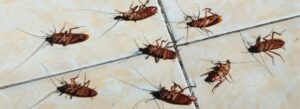
Cockroach skins Light brown shed casings left behind as young roaches grow.
Bed bug shells Translucent flakes found around mattresses and furniture.
Flea pupae Small cocoons left in carpets or pet bedding.
Beetle or moth larvae casings Found in carpets, wardrobes or stored textiles.
If shed skins appear repeatedly, the population is already maturing.
Pest Investation Sign seven
Visible insects or live activity
Although pests often hide, visible activity is a strong indicator of infestation severity.
Ant trails Especially around kitchens, skirting boards or external walls.
Live cockroaches Typically seen at night or when moving appliances.
Fleas Visible jumping on carpets or pets.
Flies Clusters around windows often indicate breeding sites.
Moths Flying inside wardrobes or landing on carpets.
Bed bugs Visible in severe infestations, usually near beds.
If pests are visible in daylight, the infestation is usually advanced.
Pest Investation Sign eight
Unexplained bites or skin irritation
Several pests cause bites or skin reactions:
Bed bugs Bites in lines or clusters, often on arms or legs.
Fleas Small red bites around the ankles or lower legs.
Mites May cause itching, often linked to bird nests.
In many cases, homeowners first notice symptoms before identifying the pest.
Pest Investation Sign nine
Grease marks or smear trails
Rats and mice repeatedly travel along the same paths, creating dark greasy lines on:
skirting boards pipes brickwork appliance edges
These marks are created by oils and dirt in their fur.
Pest Investation Sign ten
Changes in pet behaviour
Pets often react to pests before humans notice anything.
Common reactions:
Staring at walls or floor areas Barking, scratching or pawing at certain spots Following noises humans cannot hear Sudden interest in loft hatches or cupboards
This is especially useful for detecting early rodent activity.
Why pests infest homes
Common causes in Kent properties
Most infestations start due to predictable structural and environmental factors.
Typical causes:
broken air bricks gaps around pipes damaged roofing cluttered storage areas food left out open bins or compost neighbouring renovation shared walls in terraced homes nearby water sources
Older Kent homes with cavity walls are particularly prone to hidden activity.
Why early signs should never be ignored
Infestations grow quickly
Rats multiply fast. Cockroaches spread through warm areas. Bed bugs migrate between rooms. Moths damage textiles silently. Fleas remain dormant until movement triggers hatching.
Once signs appear, pests rarely leave on their own.
Early intervention significantly reduces cost and damage.
How professionals confirm and treat infestations
A technician’s process in real Kent homes
When Innovation Pest Control investigates a suspected infestation, the steps usually include:
Inspection of droppings, tracks and damage Identifying pest species and spread Locating nests, entry points and harbourage areas Applying targeted treatments based on species Proofing the structure to stop future entry Follow up visits to ensure activity has stopped
Professional treatment focuses on eliminating both the pests and the cause.
Why you can trust this guidance
Based on real cases and certified training
Our technicians hold RSPH Level 2 certification and have more than fifteen years of experience treating pest infestations across Kent. This guide reflects real inspection findings in Ashford, Maidstone, Canterbury, Medway, Thanet and surrounding areas.
Extended FAQ
What is the earliest sign of a pest infestation
Droppings, odd noises at night or small gnaw marks are often the first signs before pests are seen.
What do rodent droppings look like
Rat droppings are large and pointed. Mouse droppings are smaller, similar to rice grains.
Can insects leave droppings
Yes. Bed bugs, cockroaches and fleas leave waste that helps identify the pest.
Why do I hear noises at night
Pests are more active at night when homes are quiet. Noises often come from lofts, walls or floors.
What causes a sudden smell in my loft
Urine, nesting material or dead rodents can produce strong odours.
Do all pests leave visible signs
Most leave at least one sign such as droppings, casings, odours or marks.
Are bites always from bed bugs
No. Fleas, mites and other insects can also cause bites.
Should I treat the problem myself
DIY can help with very minor issues, but established infestations should be professionally assessed.
How do professionals confirm a pest problem
By identifying droppings, nests, damage, access points and species-specific behaviours.