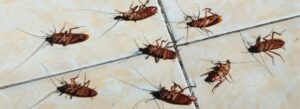
The three signs of a rat infestation
The three clearest signs of a rat infestation are droppings, scratching noises and gnaw marks. Rat droppings are large, dark and spindle shaped. Scratching noises usually come from lofts, walls and floors during the night. Gnaw marks appear on wood, cables, food packaging or plastic. These signs indicate that rats are active and nesting nearby and professional treatment is recommended before the infestation grows.
What are three signs that you have a rat infestation
A practical guide for Kent homeowners based on real inspection cases
Rats are one of the most common and most disruptive pests affecting homes across Kent. They move quickly, hide well and often go unnoticed until the infestation is already well established. After more than fifteen years of inspecting properties across Ashford, Maidstone, Canterbury, Medway, Thanet and Folkestone, our technicians consistently see the same three early warning signs. These signs show up before rats are physically seen, before noises become obvious and before the full scale of the problem is recognised.
This guide explains those three signs clearly, using real examples from Kent homes. It also helps you understand why rats leave these clues, where to look for them and why early detection is essential in preventing damage, contamination and further spread throughout the property.
If you recognise any of these signs, you may already have active rat activity inside your home, garage, roof space or garden.
Rat infestation – Sign one
Rat droppings and urine marks
Droppings are the most reliable and most common sign of rat activity. They are easy to identify once you know what to look for and often appear long before other signs become obvious.
What rat droppings look like Rat droppings are dark brown or black and around one to two centimetres long. They are pointed at both ends, similar to a large grain of rice. Fresh droppings are soft and shiny. Older droppings are dull and crumbly. Rats leave them in groups rather than single pieces.
Where droppings appear Technicians often find them in:
lofts and roof spaces under kitchen units behind fridges or washing machines around boilers and hot water tanks under floorboards in garages, sheds and outbuildings along skirting boards near food storage areas
Droppings often show the travel routes rats are using inside a home.
Why droppings indicate an infestation Rats produce droppings constantly, often leaving dozens per day. A few droppings can indicate a new problem. Large clusters suggest a well established infestation.
Urine markers Alongside droppings, rats leave urine trails that may produce a strong ammonia smell. This smell is more common in enclosed spaces such as lofts and kitchen voids.
Rat infestation – Sign two
Scratching, scurrying or tapping noises at night
Rats are mostly active during the night. Noises are one of the first things homeowners notice, especially when activity is above ceilings or beneath floors.
Common noise patterns Scratching Movement inside loft insulation, floor cavities or wall spaces.
Scurrying Fast movement that sounds like running between sections of the home.
Tapping or gnawing Rats chewing wood, wires or pipes.
Rustling Movement through stored items, cardboard or insulation.
Where noises are normally heard Lofts Rats often nest in insulation or near tanks.
Inside walls Vertical scratching is a strong indicator of rats using wall cavities.
Under floors Noises may travel through living rooms, kitchens and hallways.
Kitchens Rats often explore food areas late at night.
Why noises confirm activity Noise is one of the strongest signs because rats avoid open areas. They travel and feed silently during the day and only become active when the property is quiet.
Why noises increase over time As the infestation grows, more rats move through the property, leading to more frequent and louder activity.
Rat infestation – Sign three
Gnaw marks, damaged food packaging and shredded materials
Rats must gnaw constantly. Their teeth grow throughout their lives, so they chew to shorten them. This behaviour leaves very clear evidence.
Where gnaw marks appear Skirting boards Often visible near entry points or hiding areas.
Food cupboards Chewed cereal boxes, pasta bags, pet food sacks or plastic containers.
Wiring Rats frequently chew electrical cables, which can be a fire hazard.
Pipes Plastic pipes or insulation sleeves may show teeth marks.
Wood and flooring Door frames, beams and boards can be damaged over time.
Why gnaw marks matter They reveal both the presence of rats and the routes they use. Chewed cables and pipes are also dangerous and can create serious property risk.
Shredded materials Rats use paper, cardboard, insulation and fabric to build nests. Nesting material is often found in:
lofts storage rooms airing cupboards behind appliances garages
If you find shredded material mixed with droppings or food debris, this is a sign rats are nesting inside the property.
Additional signs of a rat infestation
Although the three signs above are the most reliable, several other clues often appear.
Grease marks Rats rub their fur against surfaces, leaving dark smears along skirting boards or gaps.
Burrows In gardens, rats dig burrows under sheds, decking or compost areas.
Footprints Dusty areas in lofts may show small prints or tail marks.
Unusual pet behaviour Cats or dogs may react to sounds humans cannot hear.
Ammonia odour A strong smell of urine indicates a well established colony.
Visible rats Typically seen only when the infestation is large.
These extra signs help confirm activity, especially if combined with droppings, noises or gnaw marks.
Why rats enter Kent homes
The causes technicians see most often
Understanding why rats enter helps explain why infestations grow quickly.
Common entry reasons:
broken air bricks gaps around pipework damaged roof tiles open drains or sewer faults holes in brickwork overflowing bins compost heaps pet food left outside neighbouring construction
Most infestations start from small defects in older homes. This is extremely common in Kent, where many properties have cavity walls or older ventilation systems.
Why early detection matters
Damage, contamination and cost increase quickly
When rats go undetected, several issues worsen rapidly.
Damage Rats chew electrical wiring, insulation, wood and plastic. Repair costs increase with time.
Health risks Rats carry bacteria, including leptospirosis, and contaminate surfaces and food areas.
Nesting spread Rats quickly expand nests into additional rooms or wall spaces.
Breeding Two rats can become many within weeks.
Delays always lead to higher cost and more invasive treatment.
Why these signs should never be ignored
Professional insight from technicians
We often visit homes where the owner noticed early signs but hoped the problem would resolve itself. Unfortunately, rat infestations never disappear without action. They only grow.
Once the three signs appear, rats are already inside the property. The earliest signs are the easiest time to intervene. Waiting allows the infestation to become more severe and complex.
How professional pest control handles rat infestations
What happens during a real inspection
When technicians from Innovation Pest Control attend a rat job in Kent, the process usually follows these steps:
Inspection Finding droppings, nests, gnaw marks, burrows and entry points.
Identification Confirming rat species and behaviour patterns.
Proofing Blocking access through brickwork, vents, roofs or drains.
Targeted treatment Using baiting or trapping in the correct locations.
Monitoring Following tracks and activity levels over time.
Follow up visits Ensuring the infestation has been completely eliminated.
Professional work removes both the rats and the cause of the infestation, which is the key difference between short term fixes and long term protection.
Why you can trust this guidance
Real case experience and industry training
Innovation Pest Control technicians hold RSPH Level 2 pest management certification and have more than fifteen years of hands on experience treating rat infestations across Kent. This guidance reflects real inspection findings, proven treatment methods and UK industry standards, including CRRU compliant rodenticide practice.
FAQ
What does rat activity look like in the early stages
A few droppings, occasional noises or small gnaw marks often appear before the infestation spreads.
Are rat droppings dangerous
Yes. They can carry bacteria and should be cleaned using appropriate precautions.
Can I handle rats with DIY traps
DIY traps rarely solve the problem because they do not address entry points or nests.
Why do rats chew wires
Their teeth grow continuously. Chewing keeps them worn down.
Do rats live in lofts
Yes. Lofts are warm, quiet and easy for rats to access through roof gaps or wall cavities.
How fast do rats breed
A pair of rats can produce multiple litters per year, leading to rapid population growth.
What should I do if I hear noises at night
Arrange a professional inspection. Noises alone indicate a potential nest nearby.
Can rats enter through toilets
In some cases, yes. Faulty or damaged drainage systems can allow rats to travel through pipework.
Do I need professional treatment
If droppings, noises or gnaw marks are present, a professional inspection is strongly recommended.