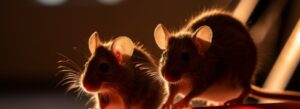
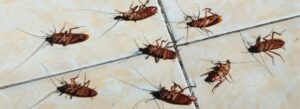
The three rules of pest control are prevent, identify and treat. Prevention stops pests entering by sealing gaps and removing attractants. Identification ensures the correct species is targeted with the right method. Treatment eliminates the infestation using professional products and follow up visits. These rules work together to stop pests returning and are used by pest control professionals across the UK.
A simple framework that protects your home and stops pests returning Most homeowners think pest control is only about removing the pest they can see. In reality, effective pest control is built around a simple three rule framework used by trained technicians across the UK, including our own team here in Kent. These rules reflect real inspection findings, recognised industry standards and the methods that qualified pest controllers rely on during day to day treatments.
Once you understand these three rules, you can prevent pests from entering, recognise early warning signs and reduce the risk of full infestations. They are based on the same approach we use when treating properties across Ashford, Maidstone, Canterbury, Thanet, Folkestone and Medway, where pests like rats, mice, bed bugs, cockroaches, fleas, wasps and ants often follow predictable patterns.
By applying this framework, you avoid repeated issues, reduce long term costs and create safer, healthier living conditions in your home or business. These are the three rules every experienced pest control professional depends on.The three rules of effective pest control
Rule 1. Prevent
Rule 2. Identify
Rule 3. Treat
Although simple, each rule covers specific steps that make the difference between ongoing pest issues and complete protection. Below, we explore what each rule means, how professionals use them and how homeowners in Kent can apply them.
Effective Pest Control Rule 1. Prevent
The most important rule in pest control
Prevention stops pests entering your property in the first place. Once pests establish themselves, removal becomes much more complex and costly. Prevention focuses on blocking access, removing attractants and making your home less appealing to insects and rodents.
Why prevention matters Pests enter through predictable routes. Rodents squeeze through small structural gaps. Ants follow scent trails. Cockroaches travel through warm, humid spots. Bed bugs spread through luggage and furnishings. When you understand how pests enter, you can prevent most issues before they start.
Key prevention steps
Seal entry points Gaps around pipes, air bricks, damaged roof tiles, cracks in walls, openings under doors and broken vents are all common access points. Sealing these reduces rodent and insect activity.
Store food securely Rodents and insects are attracted to food that is accessible. Keeping food sealed and cleaning surfaces reduces chances of infestation.
Reduce clutter Clutter provides hiding places for mice, cockroaches and bed bugs. Clear spaces are easier to inspect and treat.
Manage waste properly Overflowing bins attract rats, mice and flies. Secure lids and regular disposal significantly reduce pest activity.
Maintain good hygiene Although cleanliness does not prevent pests entirely, it makes your home less attractive to them.
Fix moisture issues Many pests favour humid environments. Fix leaks, improve ventilation and reduce damp areas.
Why prevention is often overlooked Homeowners usually focus on the visible problem instead of the cause. Professional pest controllers always begin with prevention because it reduces the need for future treatments.
Effective Pest Control Rule 2. Identify
Correct identification determines the correct treatment
Identifying the pest accurately is crucial. Different species require different methods, products and approaches. Treating the wrong pest with the wrong method leads to failure and the infestation continues to grow.
Why identification is essential Bed bug bites are often mistaken for flea bites. Mouse droppings are mistaken for rat droppings. Ant species require different baits. Cockroach species need different treatment strategies. Misidentifying the pest leads to wasted time and ongoing problems.
Signs to help identify common pests
Rats Large droppings, gnaw marks, scratching noises in walls or lofts, greasy rub marks on walls and strong ammonia smells.
Mice Small droppings, lighter scratching sounds, activity in lofts, kitchens and wall cavities.
Bed bugs Bites in lines or clusters, blood spots on bedding, shed skins around bed frames.
Cockroaches Fast movement at night, droppings similar to coffee grounds, egg cases, strong musty odour.
Ants Visible trails, soil mounds, activity around kitchens or paving.
Fleas Small jumping insects, bites around ankles, pet scratching and tiny black specks in carpets.
Why correct identification is difficult for homeowners Many pests leave similar signs. Without understanding their behaviour and biology, it is easy to confuse one pest with another. This is why professional inspections are often required.
Effective Pest Control Rule 3. Treat
Targeted treatment removes the pest and prevents return
Once the pest is correctly identified, the next rule is treatment. Professional pest control involves targeted application of products, equipment and strategies designed to remove the infestation safely and effectively.
Why treatment varies Bed bugs require heat or specialised insecticides. Cockroaches require gel baits and crevice dust. Rats and mice require correct baiting and proofing. Ants need targeted colony control. Fleas require full property treatment and preparation.
Core elements of professional treatment
Inspection Identifying the entry points, nesting zones and spread of the infestation.
Targeted products Using chemicals or equipment specifically approved for the pest.
Correct placement Placing traps or treatments where pests travel, hide or nest.
Follow up visits Checking progress and ensuring all activity has stopped.
Proofing Closing gaps so pests do not return.
Education Advising the homeowner on how to prevent future activity.
Why DIY treatment often fails Shop products are weaker. Incorrect placement of treatments reduces effectiveness. Hidden nests or eggs are missed. Structural issues remain unaddressed. Professional treatments are designed to deal with these limitations.
Why these three rules work together
Many homeowners focus only on the treatment stage. They buy sprays or traps and hope for a quick fix. When the problem returns, they assume the product failed. In reality, the issue was caused by missing the first two rules.
Prevention stops new pests entering. Identification selects the correct method. Treatment removes the infestation fully.
Ignoring any of the rules leads to repeated problems.
These rules apply to all pests across Kent, including:
Rats and mice Common in both rural and urban settings and often linked to structural entry points.
Bed bugs Spread through travel, hotels and shared buildings.
Cockroaches Linked to warm appliance areas, food storage and moisture issues.
Ants Seasonal pests that return if nests are not targeted properly.
Fleas Linked to pets, carpets and dormant eggs.
Flies and wasps Affected by weather, waste management and access to food.
How Innovation Pest Control applies the three rules
Innovation Pest Control uses these rules on every job across Kent including Ashford, Maidstone, Canterbury, Folkestone, Thanet, Dover, Hythe and Medway.
Here is how each rule is applied professionally:
Prevent Structural inspections, sealing of gaps, advice on food storage, hygiene and waste control.
Identify Full inspection, species identification, locating nests, identifying entry points and understanding pest behaviour.
Treat Using targeted products, heat treatments for bed bugs, gel baits for cockroaches, rodent proofing, safe insecticides, trapping and follow up checks.
This structured approach removes the infestation and prevents future activity.
What are the three rules for pest control ?
The three rules are prevent, identify and treat. These form the foundation of any effective pest control strategy.
Why is prevention the most important rule?
Once pests enter your home, removal becomes more difficult. Prevention reduces the risk of infestation and lowers long term costs.
How do I identify what pest I have?
Look for droppings, bite marks, odours, noises, stains and movement patterns. If unsure, a professional inspection ensures correct identification.
Why does correct identification matter
Different pests require different products and methods. Misidentification leads to ineffective treatment.
Is treatment always necessary?
Yes. Once a pest is confirmed, targeted treatment is required to remove it fully and prevent further spread.
Why do DIY treatments often fail?
DIY sprays and traps are weaker, incorrectly placed and do not address nests, eggs or entry points.
Do all pests follow the same treatment plan?
No. Bed bugs need heat or insecticides. Cockroaches need gel baits. Rodents require baiting and proofing. Ants need colony treatment.
How can I prevent pests in the future?
Seal gaps, store food correctly, maintain hygiene, reduce clutter and manage waste properly.
Do I need repeat visits from professionals?
Most infestations require follow up visits to confirm all activity has stopped.
Can pests return after treatment?
Yes, if entry points remain open or if prevention steps are not followed.
What is the most common pest in Kent?
Rats and mice are the most reported, followed by bed bugs, ants and cockroaches depending on the season.
What should I do if pests keep returning
You likely need a full inspection to identify hidden entry points or underlying issues such as moisture or structural damage.