A Kent homeowner’s guide to the most stubborn pests and how professionals tackle them
Some pests are a nuisance. Others are a full problem that take over your home, spread quickly and become incredibly difficult to eliminate without a structured treatment plan. People often ask which pest is the hardest to get rid of and the honest answer is that several pests compete for the top spot. Bed bugs, cockroaches and certain rodent populations are all highly resilient. Each species has its own behaviour, biology and survival tactics that make them very tough opponents for anyone who attempts to remove them without professional support.
In Kent, the core list of stubborn pests stays fairly consistent. They spread quickly across homes and businesses in Ashford, Maidstone, Canterbury, Thanet, Folkestone, Medway and surrounding areas. If left untreated, they can cause damage, health risks and long lasting infestations that become very costly to resolve.
Below, we break down the hardest pests to remove, why they are so challenging, and what actually works when you want them gone properly.
So What is the hardest pest to get rid of?
The hardest pests to eliminate in the UK
The hardest pests to get rid of in the UK are bed bugs, cockroaches and rodents. Bed bugs are the most difficult because they hide in tiny gaps, survive months without feeding and their eggs resist many shop bought treatments. Cockroaches are also difficult to remove because they breed rapidly, hide in warm appliances and often show resistance to weaker insecticides. Rats and mice are challenging because they exploit small structural gaps and avoid poorly placed traps.
All three require structured professional treatments with targeted products, follow up visits and proper prevention work.
1. Bed bugs
Widely considered the hardest pest to eliminate
If there is one pest that almost every professional agrees is incredibly difficult to remove, it is the bed bug. A bed bug infestation does not care how clean or tidy a home is. They travel through luggage, clothing, public seating, hotels, transport and even through shared walls in flats or terraced homes. Once inside, they hide in tiny gaps like mattress seams, bed frames, skirting boards, headboards and even inside plug sockets.
Why bed bugs are so difficult to get rid of
They can survive for months without feeding A bed bug can go for long periods without a blood meal. This means that even if a room is left empty, the infestation can still be active.
Their eggs are naturally resistant Bed bug eggs are protected by a tough outer layer. Many shop treatments fail to penetrate the egg, which means the infestation reappears within a couple of weeks.
They spread fast Adult bed bugs are small and flat. They can move between rooms, up walls, into furniture and behind fixings. If you treat only one area, the infestation often relocates.
DIY products rarely work Most shop bought sprays only kill bugs on direct contact. They do not provide residual protection and do not reach hidden harbourage points.
What works for bed bug removal
Professionals often use a combination of heat treatment and approved insecticides. Heat pushes temperatures high enough to kill bed bugs at every stage including the egg. Follow up chemical treatments then stop any surviving insects from re establishing. Clients in Kent usually need a structured treatment plan with clear preparation steps and a post treatment inspection to confirm success.
2. Cockroaches
Fast breeding, disease spreading and very tough insects
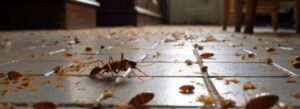
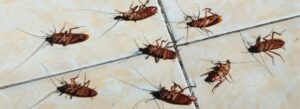
Cockroaches are another pest that ranks among the hardest to clear. Two main species cause problems in the UK. These are the German cockroach and the Oriental cockroach. Both spread through homes, restaurants, takeaways and commercial buildings.
Why cockroaches are difficult to eliminate
They are incredibly hardy insects Cockroaches have adapted over time to survive in difficult environments. Many are resistant to weaker insecticides.
They breed rapidly A single female cockroach can produce multiple egg cases, each containing dozens of young. A small issue can become a full infestation within weeks.
They hide in warm and humid areas Under fridges, behind cookers, inside cupboards, in pipework gaps and any tight crevice. To remove them, treatments must reach every hiding point.
They contaminate surfaces Cockroaches carry bacteria and pathogens. Their droppings also contribute to asthma symptoms. This makes them a health concern as well as a stubborn pest.
What works for cockroach control
Professionals often use gel baits, targeted sprays and dust products designed for crack and crevice application. Full eradication involves a planned approach with monitoring stations placed in hot spots. A follow up visit is nearly always required.
3. Rats
Intelligent, cautious and able to avoid poorly placed traps
Rats are not always the hardest pest to kill, but they are very difficult to eliminate without correct identification and proofing. In Kent, rat infestations are extremely common in both rural and urban areas. Once rats find a food source or a warm entry point, they will keep returning.
Why rats are challenging
They learn quickly Rats are intelligent and wary creatures. They can recognise when something in their environment is new or dangerous. This makes traps and bait less effective when placed incorrectly.
They exploit structural gaps Broken air bricks, gaps around pipes, loose roof tiles, cavity wall spaces and damaged drains can all allow rats to enter.
They reproduce fast A single breeding pair can lead to dozens of rats within a short time frame.
They cause significant property damage Rats chew wiring, insulation, wood, pipes and stored belongings. The longer they remain, the more damage you face.
What works for rat removal
Professional rodent control involves identifying entry points, food sources and nesting areas. Proper baiting, trapping and proofing are essential. Most rat infestations in Kent need follow up visits. The real challenge is not just removing the rats but stopping them from coming back.
4. Mice
Small, fast and able to enter through gaps the size of a pencil
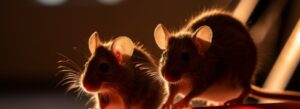
Mice might look less intimidating than rats, but they are often more widespread and much harder to eliminate fully. A single house mouse can enter through a gap as small as six millimetres. Once inside, mice travel throughout the property, leaving droppings, chewing wires and contaminating food.
Why mice are difficult to get rid of
They spread quickly through buildings Loft spaces, airing cupboards, behind kitchen units and wall cavities are typical areas where mice travel and nest.
They create multiple nests Removing one nest rarely solves the problem. Mice create several points of activity.
They leave strong scent trails Other mice follow these trails, so new rodents can enter even after older ones have been removed.
They require both removal and proofing If gaps are not sealed, the issue returns.
What works for mice control
Professionals place traps or bait in the correct zones, then focus on proofing to close entry points. Without the proofing stage, you rarely achieve long lasting results.
5. Fleas
Highly mobile and tricky to treat without full home preparation
Fleas attach themselves to pets, soft furnishings, carpets and bedding. They can survive for long periods, even in empty rooms, because flea eggs remain dormant until triggered by heat or vibration.
Why fleas are stubborn
• They lay eggs in carpets and upholstery • Eggs hatch in cycles, which means multiple treatments are often required • DIY sprays rarely kill eggs • Fleas can live without feeding for weeks
Flea control requires full property preparation. Vacuuming, washing textiles and clearing clutter help treatments reach the areas where eggs hide.
6. Ants
Hard to eliminate when nests are hidden inside walls or paving
Certain ant species, such as black garden ants and pharaoh ants, can be very difficult to remove. Colonies may have several queens. If treated incorrectly, the colony splits and spreads further.
Why ants can be challenging
• The nest is not always visible • DIY sprays often scatter the colony • Some species create multiple satellite nests • They return each spring if entry points remain open
Professional baiting is usually the most effective solution because it targets the colony at its source.
7. Why DIY pest control struggles to handle stubborn pests
Although it feels cheaper, DIY treatments often fail for pests like bed bugs, cockroaches and rodents. The main reasons include:
• Products are weaker than professional tools • Treatments are not applied in the right places • Behavioural patterns are not understood • Eggs and hidden nests are missed • The root cause is not identified
A professional pest controller focuses on inspection, identification and habitat disruption. This is why stubborn pests need a structured treatment plan rather than a quick spray.
8. How Innovation Pest Control removes the toughest pests in Kent
We deal with the full range of pests across Kent, including Ashford, Maidstone, Canterbury, Thanet, Folkestone, Dover, Medway and surrounding towns. Our approach focuses on:
Inspection Understanding how the pest entered and how far it has spread.
Targeted treatments Using industry approved products that reach the nests, harbourage points and hidden areas DIY methods miss.
Follow up visits Ensuring the infestation has been fully eradicated.
Proofing and prevention Closing entry points and giving clear prevention advice to stop pests returning.
Extended FAQ section
Detailed answers for users researching the toughest pests
What is officially the hardest pest to remove from a home
Bed bugs are widely considered the most difficult because they hide in tiny gaps, spread quickly and survive for long periods without feeding. Their eggs are resistant to many treatments, which is why infestations often return when treated incorrectly.
Why can cockroaches survive so many treatments
Cockroaches have biological resistance to weak insecticides. They also hide deep inside cracks, behind appliances and inside cupboards. If treatments do not reach every hiding point, the infestation survives.
Which rodent is harder to remove, mice or rats
Both are challenging but for different reasons. Rats are cautious and intelligent. Mice are small and spread quickly through wall cavities and loft spaces. Mice often require more proofing because they enter through very small gaps.
Can I remove a bed bug infestation on my own
This is extremely unlikely. Shop sprays kill visible bugs only. They do not kill eggs and do not reach deep harbourage points. Professional heat or chemical treatments are usually required.
Why do bed bugs keep coming back after treatment
There are three common reasons. Egg pockets were not affected by the treatment. The treatment was not applied in enough locations. Or bed bugs are being re introduced from luggage or furniture.
Which pest spreads the fastest
Cockroaches and mice both spread at high speed. Bed bugs spread quickly through human contact and shared buildings.
What is the hardest pest to treat in a flat or apartment building
Bed bugs and cockroaches, because they move through shared walls, corridors and service areas. This means the infestation can spread to neighbours.
What makes a rat infestation more complicated to remove
The challenge is usually locating the entry point. Rats often enter through drains, cavity walls, air bricks or damaged roofing. If the access point is not found and closed, the infestation returns.
Are fleas considered a stubborn pest
Yes. Flea eggs hatch in cycles and can remain dormant for weeks. This means a single treatment is rarely enough. Home preparation is essential for success.
Why do ants keep returning every summer
Ants follow the same scent trails each year unless the trail and entry points are disrupted. If the main nest is not targeted, the problem returns annually.
Do stubborn pests cause health risks
Many do. Cockroaches carry bacteria. Rats and mice spread disease through droppings and urine. Bed bugs cause bites that can lead to infection in severe cases.
Are professional pest treatments safe for pets and children
Professional treatments are controlled and applied in a careful manner. Pets may need to be removed during treatment depending on the pest type. Clear instructions are always given.
How long does it take to remove a stubborn pest infestation
Timeframes vary. Bed bugs usually require one to two structured treatments. Cockroaches often need several weeks of monitoring. Rats and mice may take a few visits depending on proofing and population size.
Can stubborn pests be prevented in the future
Yes. Prevention is possible through good hygiene, sealing entry points, careful storage of food and regular inspections. A seasonal pest control plan also helps.